Common Polish Phrases Greetings – Introduce Yourself with different situations
February 21, 2022 2023-01-29 10:33Common Polish Phrases Greetings – Introduce Yourself with different situations
USEFUL PHRASES
Today we will focus on the phrases you need to know. This article will show you those phrases which are the most common and let you practice them in the exercises. Good luck!
GREETINGS
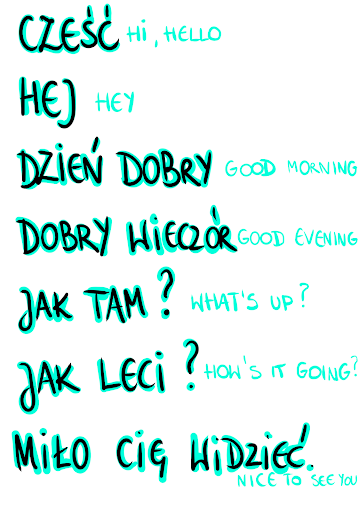
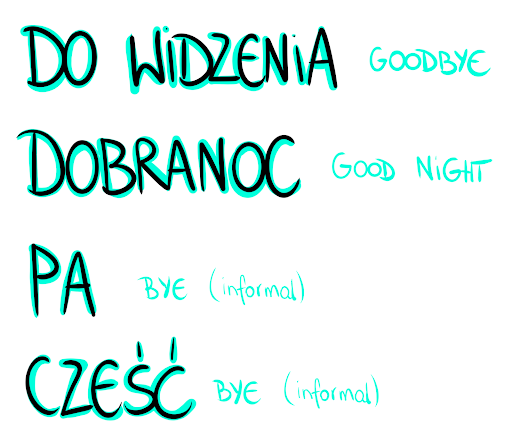
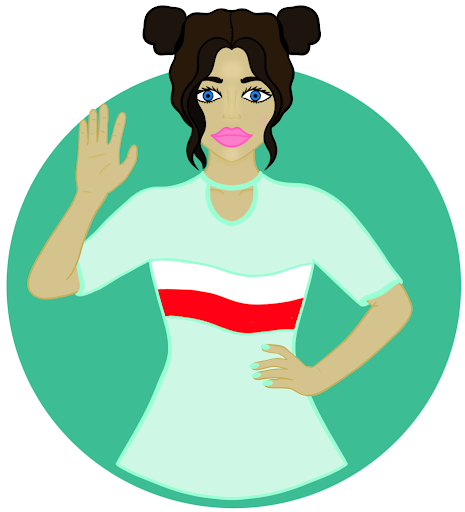
There are different ways to say HI and BYE in Polish.
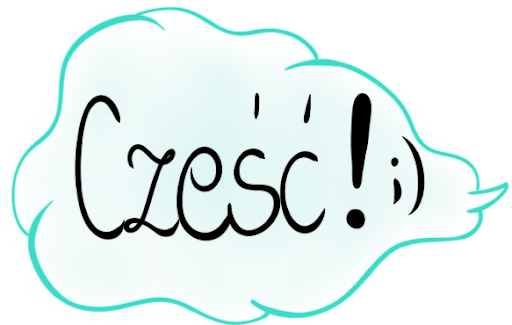
- CZEŚĆ means both: HI and BYE.
- How you can say HELLO:

- How you can say BYE:
HOW TO INTRODUCE YOURSELF
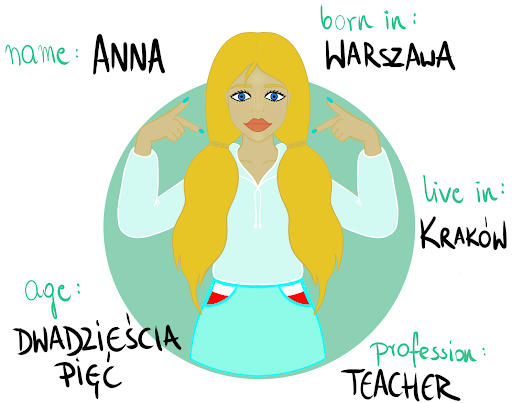
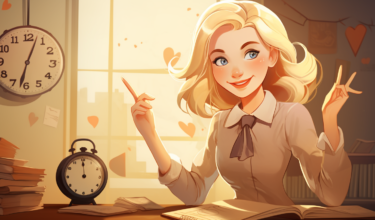
Mam na imię ANNA i (and) urodziłam (-em for non-feminine) się w WARSZAWIE, ale (but) mieszkam w KRAKOWIE. Mam 25 lat i jestem NAUCZYCIELEM (teacher-nauczyciel).
Another example:
(imię) name: Bartek
(urodzony w) born in: Paryż
(mieszka w ) live in: Wrocław
(wiek) age: trzydzieści jeden
(zawód) profession: piosenkarz
*Mam na imię BARTEK i urodziłem się w PARYŻU, ale mieszkam we WROCŁAWIU. Mam 31 lat i jestem PIOSENKARZEM.
Now let’s have some exercises!
- It’s 10pm. How would you greet an old lady?
*hej *cześć *dobry wieczór *dzień dobry
- You see your old friend from childhood. How would you greet them?
*dzień dobry *dobry wieczór *cześć *dobranoc
- It’s 8am. How would you greet your neighbour who is 25 years older than you?
*dobry wieczór *hej *cześć *dzień dobry
One more exercise before we get to the next phrases.
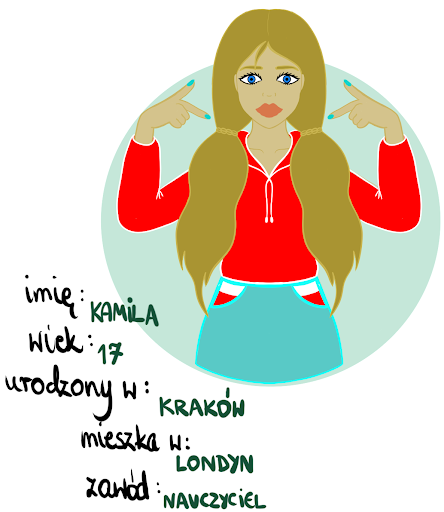
- Imagine You Are…
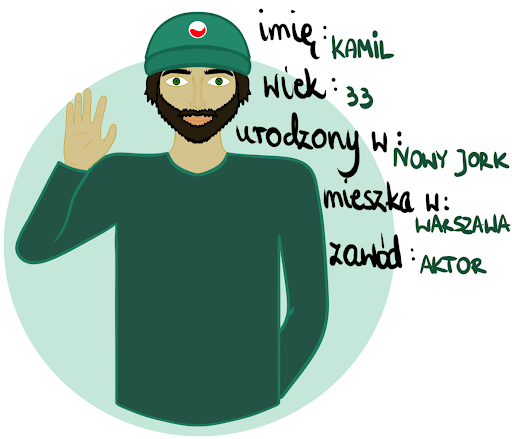
- Mam na imię Kamil.
- Mam…
- Urodziłem…
- …
- …
- …
- …
- …
- …
- …
EVERYDAY SITUATIONS
Let us take a closer look at the phrases which can be useful during:
- SHOPPING in Polish
- TRAVELLING in Polish
- JOB INTERVIEW in Polish
1. Shopping
CZY MAJĄ PAŃSTWO…? – Do you have…? (a specific item)
ILE TO KOSZTUJE? – How much is it?
ILE KOSZTUJE…? – How much is…? (a specific item)
CZY MOGĘ ZAPŁACIĆ KARTĄ KREDYTOWĄ? – May I pay with a credit card?
CZY MOGĘ TO PRZYMIERZYĆ? – May I try this on?
GDZIE JEST PRZEBIERALNIA? – Where is the changing room?
GDZIE MOGĘ ZNALEŹĆ…? – Where can I find…? (a specific item)
CHCIAŁABYM / CHCIAŁBYM TO ZWRÓCIĆ. – I would like to return it.
KUPUJĄCY – buyer
SPRZEDAWCA – sales assistant
KUPUJĄCY – (K)
SPRZEDAWCA – (S)
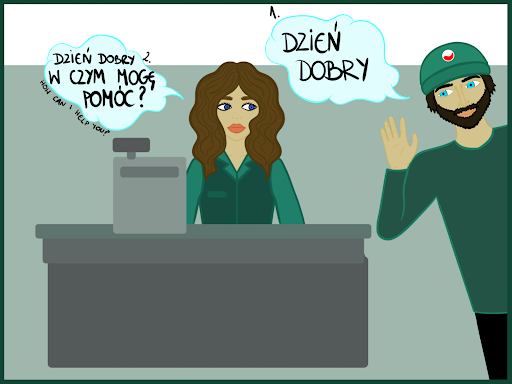
(K): DZIEŃ DOBRY.
Good morning
(S): DZIEŃ DOBRY, W CZYM MOGĘ POMÓC?
Good morning, how can I help you?
(K): CZY MAJĄ PAŃSTWO CZEKOLADĘ?
Do you have chocolate bars?
(S): TAK, MAMY.
Yes, we do.
(K): ILE KOSZTUJE TABLICZKA CZEKOLADY?? POTRZEBUJĘ TRZY.
How much is one chocolate bar? I need 3.
(S): JEDNA TABLICZKA CZEKOLADY KOSZTUJE 5 złotych.
1 chocolate bar is 5 zlotys.
(K): OKEJ. CZY MOGĘ ZAPŁACIĆ KARTĄ KREDYTOWĄ?
Okay. May I pay with a credit card?
(S): TAK, MOŻE PAN(I).
Yes, you can.
Your turn!
IMAGINE YOU ARE THE BUYER WHO NEEDS A RED ROSE (CZERWONA RÓŻA). YOU WANT TO USE A CREDIT CARD.
(S): DZIEŃ DOBRY, W CZYM MOGĘ POMÓC?
(K): DZIEŃ ………………………………, CZY …………………………. …………………………. CZERWONE RÓŻE?
(S): TAK, MAMY.
(K): ………………… KOSZTUJE JEDNA ………………………… ………………………………?
(S): 10 ZŁOTYCH.
(K): OKEJ. …………… ……………………….. ZAPŁACIĆ ……………………………… ………………………………?
(S): TAK, MOŻE PAN(I).
Free Webinar
Join our Free Webinar about Learning Polish!
"3 ways to learn Polish Language in 90 days"
- How to Start Learn Polish in 45 Minutes
- Learn to build sentences in Polish
- Start speaking and correctly pronounce words and sentences ❤️
2. Travelling
DZIĘKUJĘ – thank you
CZY MÓWISZ PO ANGIELSKU? – Do you speak English?
CZY MOGĘ DOSTAĆ MAPĘ? – Could I get a map?
MAM REZERWACJĘ. – I have a reservation.
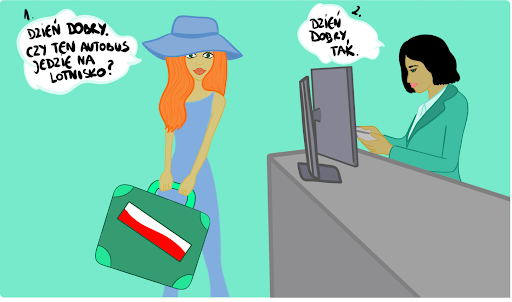
CZY TEN AUTOBUS JEDZIE NA LOTNISKO? – Does this bus go to the airport?
PRZEPRASZAM, JAKA JEST OPŁATA? – Excuse me, what’s the fare?
CZY MAJĄ PAŃSTWO WOLNE POKOJE NA DZIŚ? – Do you have any vacancies for tonight?
JESTEM UCZULONY NA ORZESZKI ZIEMNE. – I am allergic to peanuts.
PERSONEL – personnel
PODRÓŻNIK – traveller
PERSONEL – (PR)
PODRÓŻNIK – (PD)
(PD): DZIEŃ DOBRY, CZY TEN AUTOBUS JEDZIE NA LOTNISKO?
Good morning, does this bus go to the airport?
(PR): DZIEŃ DOBRY TAK.
Good morning, yes, it does.
(PD): SUPER, DZIĘKUJĘ.
Great, thank you.
(PR): NIE MA ZA CO.
You’re welcome.
(PD): CZY MAJĄ PAŃSTWO WOLNE POKOJE NA DZIŚ?
Do you have any vacancies for tonight?
(PR): TAK, MAMY.
Yes, we do.
Your turn!
IMAGINE YOU ARE A TRAVELLER AND YOU WANT TO ASK ABOUT VACANCIES AND A MAP.
(PD): …………… ……………………..
(PR): DZIEŃ DOBRY, W CZYM MOGĘ POMÓC?
(PD): CZY MAJĄ …………….. ………………… ……………………. NA DZIŚ?
(PR): TAK, MAMY.
(PD): SUPER, CZY…………… ………………….MAPĘ?
(PR): TAK, PROSZĘ.
(PD): ………………………….!:)
3. Job interview
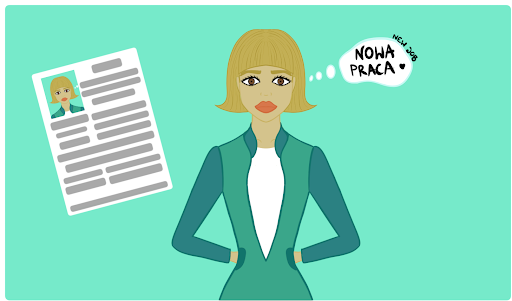
DZIĘKUJĘ ZA ZAPROSZENIE NA TĘ ROZMOWĘ – thank you for inviting me for this interview
MOJE NAJWIĘKSZE ZALETY TO – my biggest advantages are
UMIEM WSPÓŁPRACOWAĆ W ZESPOLE – I am a good team player
JESTEM NIEZALEŻNYM PRACOWNIKIEM – I am an independent employee
MOJE NAJWIĘKSZE OSIĄGNIĘCIE TO – my biggest achievement is
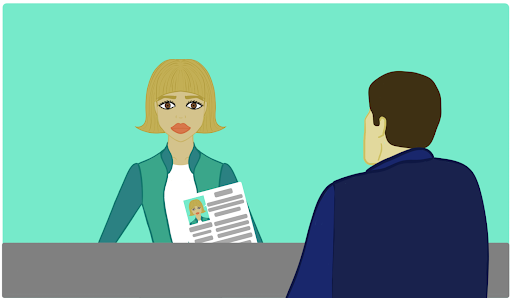
PRACODAWCA – employer
KANDYDAT – candidate
PRACODAWCA – (P)
KANDYDAT – (K)
(P): DZIEŃ DOBRY.
Good morning.
(K): DZIEŃ DOBRY. DZIĘKUJĘ ZA ZAPROSZENIE NA TĘ ROZMOWĘ.
Thank you for inviting me for this interview.
(P): PROSZĘ POWIEDZIEĆ COŚ O SOBIE.
Tell me something about yourself, please.
(K): MOJE NAJWIĘKSZE ZALETY TO KREATYWNOŚĆ I PUNKTUALNOŚĆ. UMIEM PRACOWAĆ W ZESPOLE I JESTEM NIEZALEŻYM PRACOWNIKIEM.
My biggest advantages are creativity and punctuality. I am a good team player and I am an independent employee.
Your turn!
TIME TO INTRODUCE YOURSELF:
Dzień dobry, dziękuję za…..
Moje największe….
Jestem…..