Common problems for foreign learners of Polish.

Educational

Common problems for foreign learners of Polish.

common-mistakes-made-by-foreigners-in-polish

POLISH LANGUAGE

Polish is a Slavic language and one of the most difficult languages to learn. As a difficult language, Polish presents unique challenges for learners, especially those whose mother tongue is English.

What is the most challenging?

  • pronunciation,
  • sounds which are subtly different from each other,
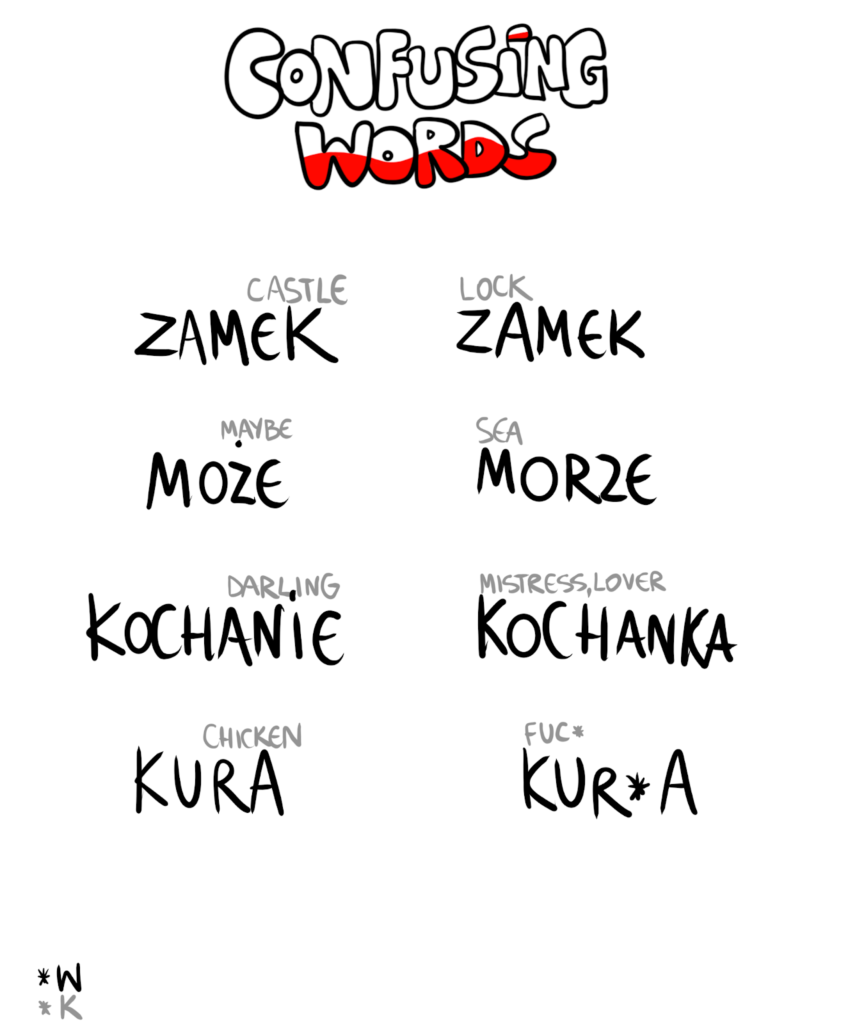
  • words which sound the same but have a different meaning,
  • case system.

Polish also features complex grammar and hard polish pronunciation, making it especially tough for beginners.

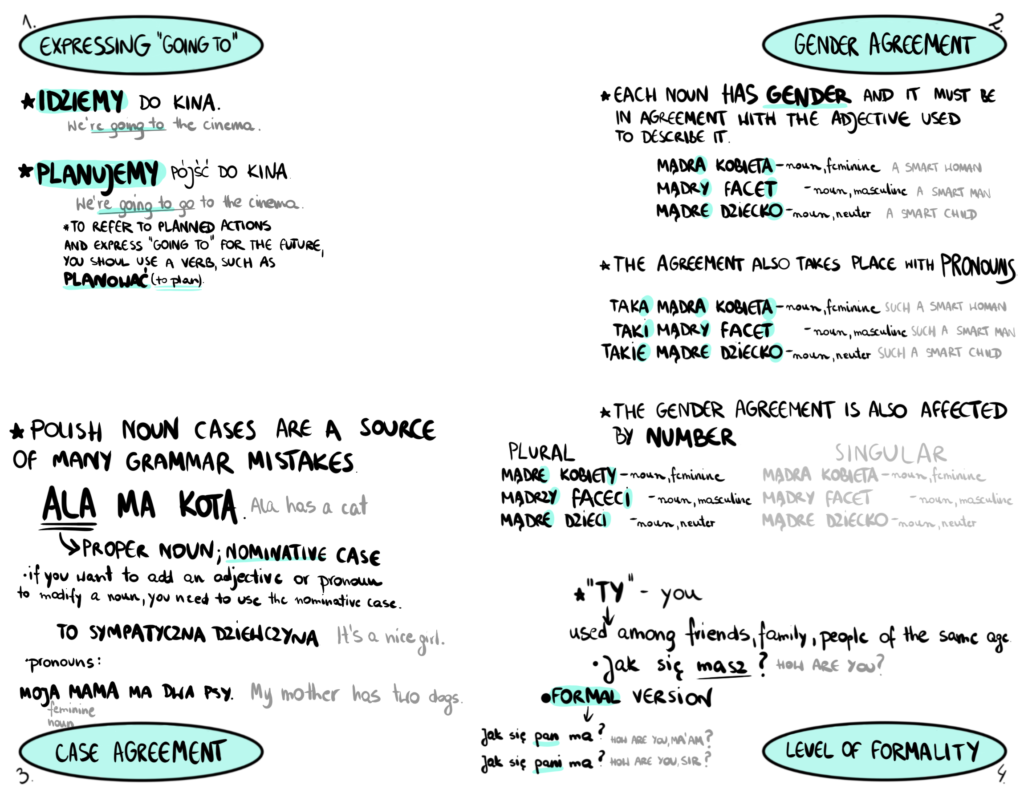
Polish grammar includes seven cases, which means nouns, adjectives, and pronouns change their forms depending on their role in the sentence. There are three genders—masculine nouns, feminine nouns, and neuter—so every noun is assigned a grammatical gender, affecting how it interacts with other words. This system is more intricate than English, which does not use grammatical gender in the same way.

If you compare English and Polish, you’ll notice that both use the Latin alphabet, but Polish adds diacritical marks. Many Polish words have Latin roots, which can help English speakers recognize some vocabulary, but spelling and pronunciation are generally more consistent in Polish than in English.

Polish verbs have fewer tenses than English, but they use different tenses and verb forms to express completed and ongoing actions. Understanding Polish verbs, including perfective and imperfective aspects, is key, especially when forming the past tense.

Polish sentence structure allows for flexible word order, so while subject verb object is common, the word order can change for emphasis or clarity.

The direct object in a Polish sentence is marked by the accusative case, which answers ‘kogo?’ (whom?) or ‘co?’ (what?), showing how cases affect sentence roles.

In Polish, the first syllable of a word is usually stressed, which is a helpful rule for pronunciation.

There are many words in Polish, and many polish words have Latin roots or are international terms, but memorizing new vocabulary and new words can be challenging due to the differences from English.

Polish grammar concepts differ from English, especially since nouns may keep the same form in English regardless of gender, while in Polish, the form changes based on grammatical gender and case.

According to the Foreign Service Institute (FSI), which ranks languages based on difficulty, Polish is among the hardest languages and is classified as a Category IV language, requiring significant effort to master.

Language difficulty varies depending on your mother tongue. For an English speaker, learning Polish as a new language can be especially challenging due to the differences in grammar and vocabulary.

Personal experiences show that foreigners struggle with Polish pronunciation, grammar, and vocabulary, but each learner’s journey is unique.

Achieving fluency and professional proficiency in Polish requires intensive study and dedication, but it is possible with the right approach.

Polish is hard, and polish hard grammar and pronunciation can be discouraging, but practicing to speak polish regularly helps overcome these challenges.

Immersing yourself in polish culture, such as enjoying local traditions and food, can make learning more enjoyable. When it comes to grammatical gender, Polish has three genders, while French has two, making the comparison interesting for learners familiar with both languages.

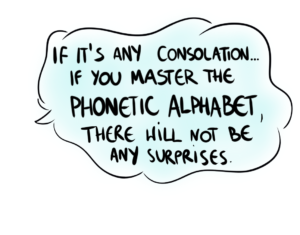
polish phonetic alphabet masterslanguage

I know, easier said than done, right? 
Even Polish native speakers make mistakes! 
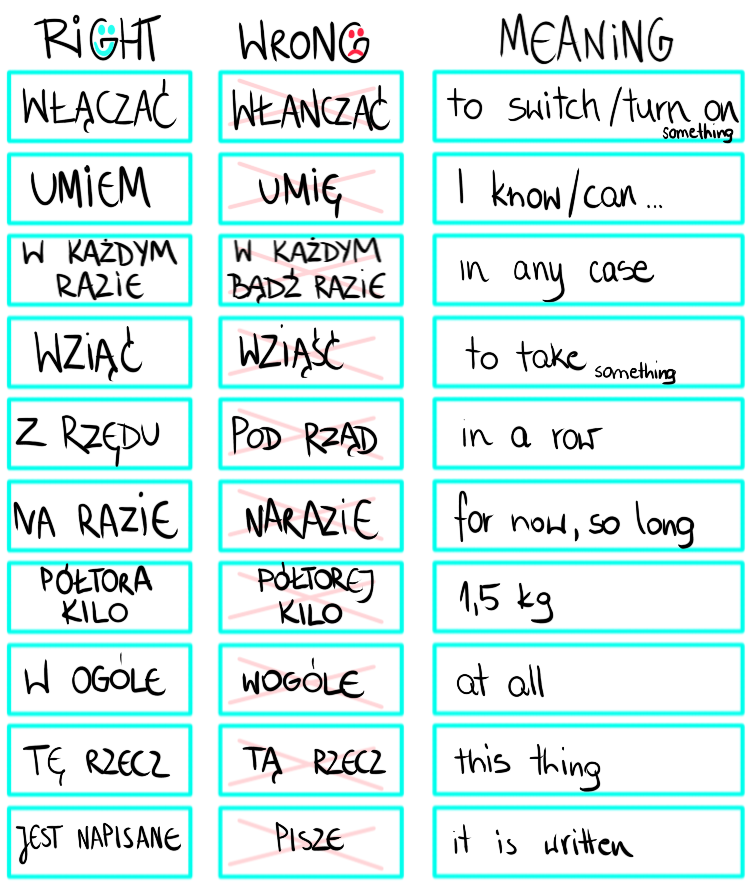
Let us take a closer look at the most popular ones.

Examples:
polish language pronounciation examples masterslanguage

Now let’s use these words and phrases in sentences.

  1. Nie lubię WŁĄCZAĆ spokojnej muzyki. / I don’t like to switch the calm music on.
  2. Nie UMIEM tego powtórzyć./ I can’t repeat that.
  3. W KAŻDYM RAZIE, wszyscy są bezpieczni./ in any case, everybody’s safe
  4. Możesz WZIĄĆ mój plecak. / You can take my backpack.
  5. Wygrałam trzy razy Z RZĘDU!/ I won three times in a row!
  6. NA RAZIE nie szukam nowej pracy. / For now, I am not searching for a new job.
  7. Kup PÓŁTORA KILO winogron. /Buy 1,5kg of grapes.
  8. W OGÓLE mi się nie podoba to miejsce./ I don’t like this place at all.
  9. Chcę TĘ rzecz. /I want this thing.JEST NAPISANE, że nie ma jabłek./ It is written that there are no apples.
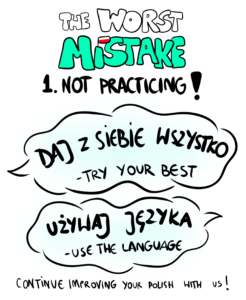
the worst mistakes in learning polish masterslanguage

Pronunciation Challenges in Polish

For many English speakers and learners from other language backgrounds, Polish pronunciation is one of the most daunting aspects of learning Polish. The Polish language is known for its unique sounds and complex consonant clusters, which can make even simple words feel like a tongue-twister. Unlike English, Polish features combinations such as “szcz” and “trz,” which require learners to master new tongue and lip positions. For example, while the Polish “sz” and “cz” might seem similar to the English “sh” and “ch,” they are pronounced in a subtly different way, making it easy to mix them up.

Another challenge in Polish pronunciation is the presence of nasal vowels, a feature not found in English or many other languages. These vowels, such as “ą” and “ę,” are pronounced with air flowing through the nose, creating a sound that can be tricky for language learners to reproduce accurately. Mastering these nasal vowels is essential for clear communication, as they can change the meaning of a Polish word entirely.

Polish also stands out for its consonant clusters—groups of two, three, or even more consonants in a row. Words like “przyszłość” (future) or “szczególnie” (especially) can be intimidating at first glance. These clusters are a hallmark of Slavic languages, but for those whose native language is English or another language with simpler syllable structures, they can be a real hurdle.

Adding to the complexity, Polish pronunciation can vary based on region and dialect. For instance, the word “kawa” (coffee) might be pronounced with a short or long “a” sound depending on where you are in Poland. This means that even after learning the basic grammar rules and sounds, language learners may encounter new variations as they listen to native speakers from different parts of the country.

The challenge doesn’t stop at pronunciation—Polish grammar is famously complex, with seven grammatical cases that affect how words are pronounced and used in sentences. Each case comes with its own set of endings and rules, which can influence the way a word sounds in context. For English speakers, who are used to a much simpler case system, this can make Polish feel especially hard to learn.

Despite these obstacles, achieving fluency in Polish is entirely possible with the right approach. Repeated exposure to spoken Polish, whether through language learning apps, Polish movies, or conversations with native speakers, is key to mastering both pronunciation and grammar. Many learners find that practicing with a tutor or using interactive resources helps them get comfortable with the sounds and rhythm of the Polish language.

If you already speak another Slavic language, you may find some aspects of Polish pronunciation and grammar more familiar, thanks to shared roots and similar grammatical concepts. However, every language has its own quirks, so even experienced language learners will need to spend time practicing the unique features of Polish.

In the end, while Polish pronunciation and grammar may seem overwhelming at first, consistent practice and a willingness to make mistakes are the best ways to improve. By focusing on the sounds, patterns, and rules of the Polish language, and by seeking out opportunities to speak and listen, you’ll find yourself making steady progress toward Polish fluency. Remember, every new word and every challenging sound brings you one step closer to speaking Polish with confidence!

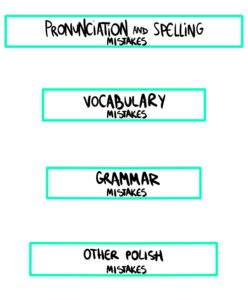
TYPES OF MISTAKES IN POLISH

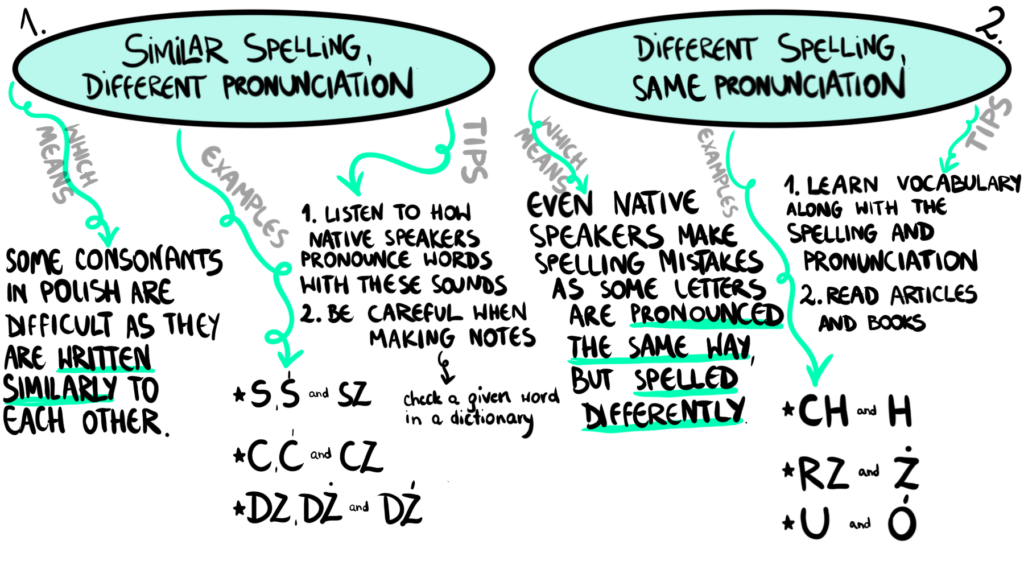
  • PRONUNCIATION AND SPELLING MISTAKES
pronunciation and spelling mistakes masterslanguage
  • VOCABULARY MISTAKES
  • Foreigners struggle with Polish because mastering new vocabulary and unfamiliar grammar rules can be especially challenging.
  • Learning new vocabulary in Polish is often difficult, as many words are quite different from those in other languages, which leads to frequent mistakes.
polish language vocabulary mistakes masterslanguage
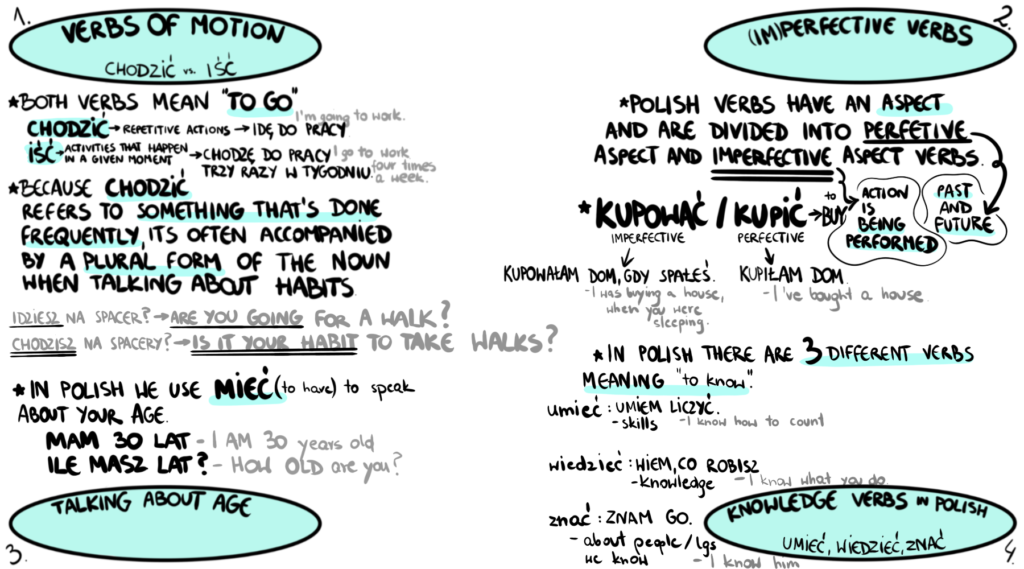
  • GRAMMAR MISTAKES
polish language grammar mistakes masterslanguage
  • OTHER POLISH MISTAKES
polish language other mistakes masterslanguage
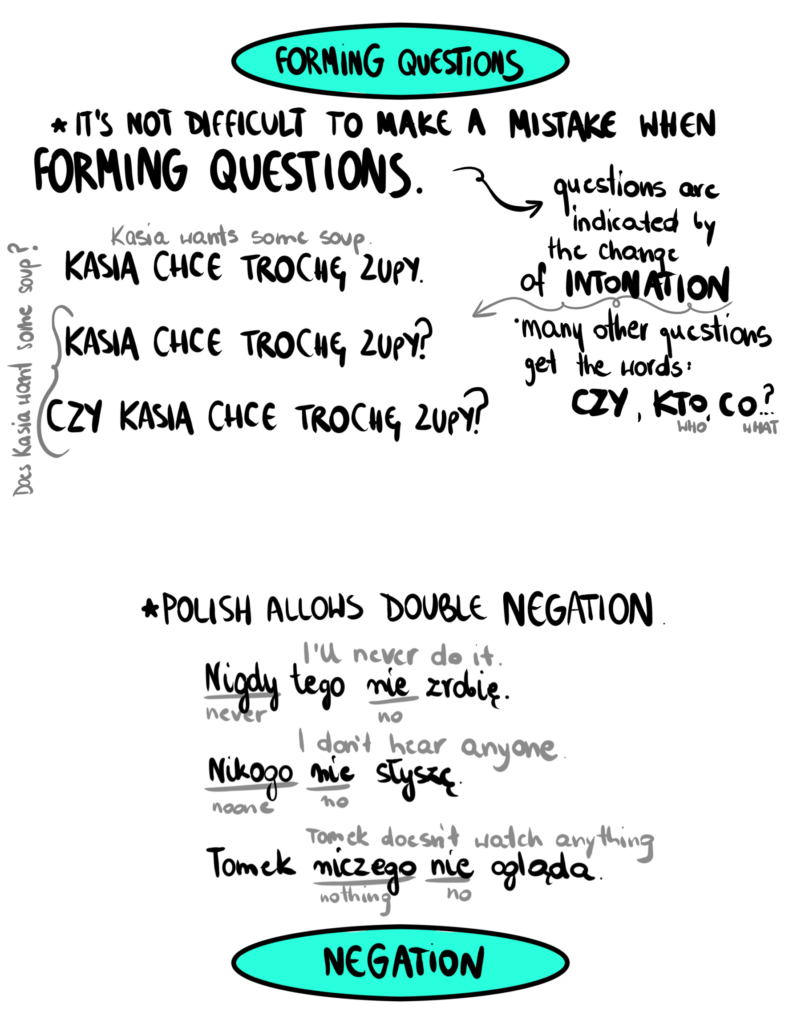
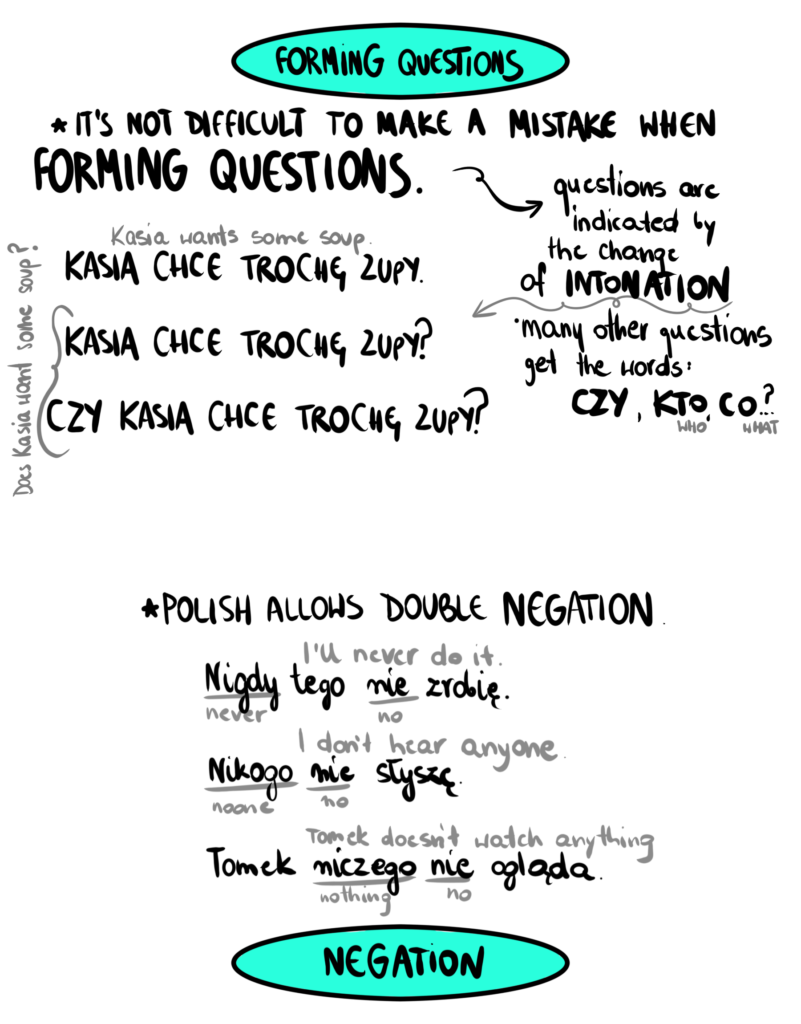
polish language forming questions mistakes masterslanguage
confusing words in polish language masterslanguage
most unpronounceable words in polish language masterslanguage

Leave your thought here

Fill out this form to Start Learning Polish Today!